Neurodiversity in the Sector: Autism Equine Knowing Program Emphasizes
The field looks basic at first glance, a sand footing, a couple of tinted cones, a placing block parked near the rail. Then you see the rhythm of the location. A bay mare flicks an ear towards a kid humming softly. A volunteer walks alongside, one hand hovering by the kid's calf bone. The teacher calls out, not loud, not urgent, simply consistent. This is what a well run autism equine learning program seems like, hip to and unhurried, made to offer the nerve system room to breathe.
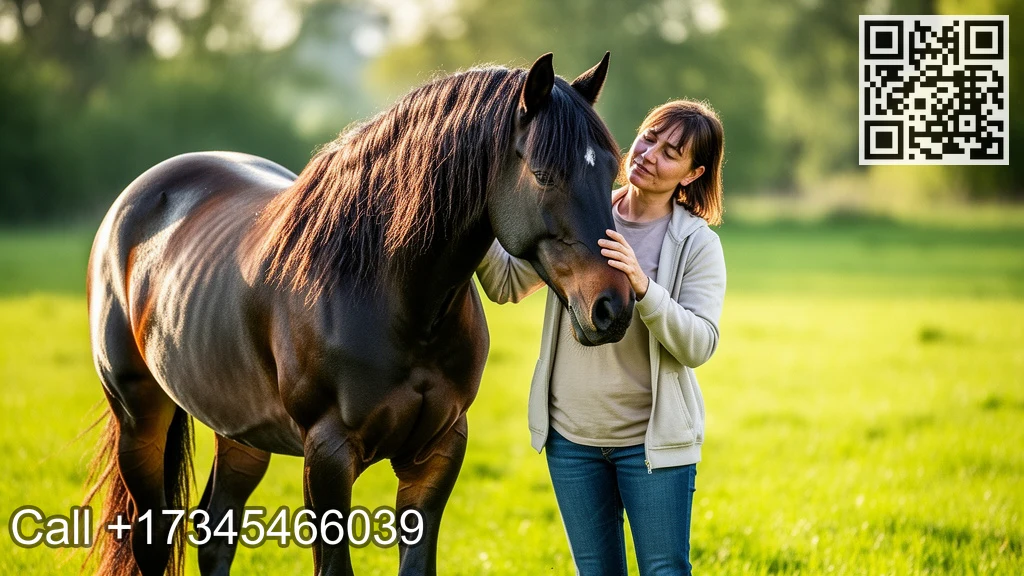
I have invested years in arenas such as this, in both therapeutic horsemanship and equine-assisted solutions that lean even more toward discovering than traditional therapy. The most vital lesson horses showed me is straightforward, actions informs you what the body needs. When a student on the spectrum tenses their shoulders, a steed will typically slow or stop. When a biker exhales, the steed softens. This honest psychophysiological feedback is why experiential knowing with horses is so efficient for many neurodivergent people, consisting of those with autism and ADHD.
Why steeds assist when words drop short
Horses sort details swiftly. They review weight shifts, look direction, breath tempo, and muscular tissue tone. They do not analyze sarcasm, they do not evaluate fidgeting, and they definitely do not care if a student maintains eye call. They reply to what exists in the body, which transforms every interaction right into a clear loop of domino effect. For a student who discovers spoken directions slippery or overloading, that loophole can be life changing.
The sensory world in a barn is complicated, leather, hay, sun on dirt, the muffled thud of hooves, the puff of a steed's breath on a wrist. For some, this is way too much in the beginning. For others, it is the very first setup where they can arrange their senses without combating fluorescent lights and resembling corridors. An autism equine finding out program that appreciates sensory preferences constructs in peaceful areas, foreseeable routines, and great deals of selection. The objective is not to toughen anyone up, the objective is to foster safe curiosity.
There is likewise a pragmatic angle. A steed considers half a lot, and partnerships with such an animal demand clearness. The majority of pupils like that sincerity. When you stretch a rein a little bit too quick, your horse elevates a head. So you soften, you pause, you attempt once again. You really feel the difference under your hands. That instant somatic feedback, partnered with regular guideline, sustains policy abilities that seldom stick when educated as abstract concepts.
From therapeutic horsemanship to equine-facilitated coaching
Programs make use of different terms, and they matter. Restorative horsemanship normally fixates mounted or unmounted lessons led by licensed teachers. The key results are ability based, riding stance, horse care, grooming, groundwork, mounting and dismounting. These sessions enhance equilibrium, coordination, and self-confidence while supporting social interaction in a reduced pressure way.
Equine-assisted tasks incorporate a broader array, frequently consisting of unmounted video games, obstacle courses, leading workouts, and barn administration tasks. They target daily living abilities, sequencing, preparation, teamwork, and interaction. They can be specifically practical for ADHD equine discovering assistance, considering that they allow a trainee action, method timing, and obtain kinesthetic responses without the added complexity of riding.
Equine-assisted training, sometimes called equine-facilitated coaching, rests closer to individual growth. The emphasis is on goals like flexible reasoning, self advocacy, and durability. These sessions are usually unmounted, structured as short experiments. Can you ask an equine to go through a lane of poles with you using only your body language, after that a rope, then your voice, and see what worked each time. This type of job drops under equine-facilitated wellness when there is a more powerful focus on emotional law and somatic recognition. You will certainly hear teachers speak about somatic healing with horses, which, in simple terms, indicates using really felt sensations in the body to direct secure changes in state. The equine acts like a mirror, not a therapist, and the facilitator maintains points based in consent and choice.
I usually weave formats. A pupil could start with restorative horsemanship, build equilibrium and trust, then spend a couple of weeks in an equine-assisted mentoring cycle to service stress tolerance. For teenagers and grownups, team structure with steeds can be effective. Small groups practice leading a horse through a pattern without touching it, or they work out duties for a mock barn job. The team debriefs what they discovered, that paced, that waited, who tracked the steed's ears. Everybody gets to lead one little item and obtain feedback that specifies and kind.
How sensory demands satisfy safety in the barn
A field can be upgraded quickly to sustain sensory preferences. I maintain a sensory map of each student. If a motorcyclist is audio delicate, we set up far from farrier days and stay clear of gusty hours when sector tarps flap. If a pupil seeks deep pressure, a weighted towel over the lap while placed can aid. For vestibular seekers, we add mild changes of direction and include halts followed by sluggish, foreseeable transitions to stroll. Some cyclists take advantage of a silent hack on a lead around the residential property, others need a small fenced area to feel contained.
Safety is the initial layer of regulation. We match equines very carefully, based upon gait, responsiveness to light signs, and shock threshold. A steed with a long, rolling walk can be calming for some, too stimulating for others. I track data, variety of spontaneous stops, head tosses, changes that needed extra assistance, pupil ask for breaks. Over 6 to eight sessions, patterns emerge. Normally, the most effective suit ends up being evident by week three.
Students choose their degree of contact. Some start by observing from outside the rail. Numerous beginning with grooming, the audio of the brush on a horse's barrel is basing. The first touch might be one finger on a shoulder with a volunteer between. The trainer narrates pressure, direction, and the steed's comments so the pupil can connect action and impact. Placing is never needed, and we often stop briefly mounted job to exercise leading and permission hints on the ground.
I will certainly not put control a pupil's hands if their fingers are trembling from bewilder. We may begin with a grab band or a hand on the saddle pad. If a pupil requires to stim, we construct that into the trip. A hum ends up being a sign the equine learns to relate to slowing, which subsequently encourages the student to self control without being told to stop. That sense of company is much more restorative than an excellent twenty meter circle.
A day in the program, 3 pupils, 3 paths
A morning session, three trainees in sequence, each with various goals.
First is Leo, age 9, that makes use of an interaction device. He likes patterns and hates shocks. We start in the tack room where the halter holds on a hook with his name card. He faucets the card, after that the halter, after that the photo of Sunny, his horse. He leads the way to the delay, shoulders square. We stand outside the door and practice approval, Leo shows his open hand at shoulder height, Bright progressions, Leo light beams. Brushing is clockwork, 3 strokes on the neck, swap brushes, 3 strokes on the shoulder. On the placing block, we stop for a breath matter. Installed, we ride the rectangle, long sides at walk, brief sides stop and count to 4. At the end, Leo places the saddle pad in the bin and provides Sunny three apple slices. Uniformity is not burning out for him, it is safety and security, and with safety and security comes progression. Over five months, his transition time from car to sector went down from fifteen minutes to five, and he started initiating turns by looking where he intended to go.
Next is Mara, age 14, brilliant and ironical, with ADHD and a history of stress and anxiety spikes in congested classrooms. She fasts to volunteer and equally quick to shut down if remedied in a sharp tone. We keep her sessions physical and differed, an unmounted heat up that consists of a figure eight with cones, then installed deal with rhythm posts. I sign with inquiries, what rate maintains the posts even, what takes place to Sunny's stride if you lean ahead. She likes experiments, so we evaluate two breaths, then 3, to see which silences her hands much more. When her upper body tightens, we dismount, loophole the reins on the arm, and stroll a lap while naming points we see. She wished to canter by week two, we made a deal, show me five transitions that seem like butter, then we add one stride of canter. She made it on week 6. She grinned for an hour.
Finally we have Rob, age 23, extremely spoken, lately hired at a storehouse, bewildered by group communication. He is with us for equine-assisted coaching in a little group. The workout is basic, the team moves an equine through an L designed passage of poles without touching the equine or speaking to each various other. Rob stands at the front, shoulders stooped, trying to welcome activity with his hands. The equine looks previous him. Another individual moves to the side and opens space with a go back. The steed shifts, Rob notices, drops his chin to soften, then exhales. The horse walks, quits at the edge, waits. Later Rob claims, I attempt to explain with even more words when I am stressed, that makes the group tighter. If I just reposition and wait, often they include me. A week later on his supervisor records fewer mid shift flare and better hand offs between stations.
Skill transfer, what truly lugs over
People typically ask if riding instructs focus or if foundation teaches leadership. I always ask which emphasis and what kind of leadership. On paper, we track equilibrium, core interaction, reins management, sequencing of help, and a loads other riding metrics. We also track self advocacy, break demands, capability to go back to job after a pause, resistance for altering one little part of a regular, and determination to try a new pattern with a clear exit plan.
The most reputable skill transfers resemble this:
-
Requests for help become more clear and earlier. Lots of pupils shift from closure or escalation to a short phrase or gesture. The steed, the volunteer, and the instructor all honor the request quickly, which reinforces that asking works.
-
Body awareness improves in subtle ways. Students notice a clenched jaw, a limited calf, a held breath, and they examine a release that the equine can feel. Later, the exact same students report using breath trust the bus or loosening a shoulder in class.
-
Frustration resistance broadens by a notch. When an equine does not move onward, the pupil attempts a different cue as opposed to repeating the same one louder. That versatile reasoning is mobile to math research and line monitoring at the grocery store store.
These changes are small, consistent, and particular. They come from regular method, clear comments, and a society that commemorates mini success. I do not guarantee sweeping character changes, and I deal with anybody that expects a steed to treat anything. We are constructing abilities, not transforming identities.
Anxiety assistance with steeds, without forcing calm
Anxiety assistance with steeds starts with naming pressure honestly. We lower unknowns and provide choices that matter. If a pupil is spiraling, we do not insist on pushing through to confirm resilience. The much better strategy is to broaden the window of tolerance securely. That could appear like walking beside a relocating horse on a lead while maintaining one hand on the fence. It may be sitting on a placing block 5 strides from the equine, matching breath for 2 mins, after that closing the void. We typically secure brand-new sensations with grounding touch, a hand on a pommel, fingers really feeling the saddle sewing, feet pushing right into braces against the ball of the foot. This is somatic healing with steeds in technique, not mystical, simply practical, body first.
The equine advantages also. Clear, slow patterns work out most equines. We view their eyes, their breath, and their chewing. A soft eye tells us when we are in the pleasant spot. If an equine elevates a head and tightens up a back, we decrease, or we exchange steeds. Kindness to the steed is not an add, it is the heart of the job. It shows every person in the arena that consent runs both ways.
The structure behind the scenes
Good programs look effortless externally, they are not. We staff conservatively, one trainer, one equine handler, and a couple of side pedestrians as required. That can imply three to four people for one cyclist at the start. Volunteers get real training, not simply a briefing, including exactly how to find a developing disaster in both steed and human, how to rate a discussion at the stroll, and exactly how to offer a break without making it a large deal.
Lesson plans have arcs, a clear beginning, center, and end. We open up with a predictable routine, perhaps a saddle pad shade option or a testimonial of the visual schedule. The middle holds one brand-new element sandwiched between 2 well-known patterns. The end always shuts the loophole, equine care, thanks, a sticker label on a graph, a check mark on a tool, whatever the trainee prefers. The equine likewise gets a close, a scratch on a favorite area, a hand grazing moment, a go back to herd friends without delay.
We coordinate with occupational therapists, speech therapists, and teachers when households request it. Not every barn does this, and not every family members wants it. When we align goals, we can practice the exact same speech gadget motivates throughout grooming that a student makes use of in course during circle time, or we can rehearse an institution hallway change by strolling from the tack space to the arena with a pile of small tasks in the exact same order.
What progression appears like over a season
Expect a ramp up period. The first 3 sessions are for being familiar with the place, the horses, and the rhythm. I am content if we get a couple of quality minutes in those early weeks, a breath that lands, a smile after a stop, a quiet hand on a neck. By week 4, patterns settle. By week 6 to eight, the genuine knowing shows. A trainee who required two side pedestrians might now have one and a watchman. A youngster who might not tolerate the safety helmet for more than a minute may now keep it on for the whole adventure. A teen that wanted only to trot may have the ability to reduce for accuracy job and name the distinction it makes.
Hard days do not imply regression. Climate shifts, development eruptions, life events, and appetite can all totter a session. We note those variables truthfully. If a pupil returns from a break and needs to relearn items, we treat that as details, not failure.
Over a season, the numbers matter just in context. I track them to recognize the student's tale, not to compel it right into a graph. If a family members is trying to lower crises at food store from everyday to regular, we may see identical adjustments in the sector, faster recuperation after a spook, a much shorter pause between cues, even more determination to attempt a brand-new job when used a safe leave. We celebrate connect-the-dots progress, the kind that clearly maps to daily life.
When equine-assisted tasks are not the right fit
Horses are not for everyone. Some pupils have sensory profiles that make the barn consistently aversive, solid hostilities to smell, dirt, or hair. Others have clinical requirements that make complex placed work, consisting of extreme scoliosis without proper adaptive tack, uncontrolled seizures, or joint instability, and should stay unmounted if they participate in any way. Extreme phobias are not a reason to require exposure in this setting. Approval regulations in every direction, for the trainee, for the equine, for the family.
I also draw a line if a family looks for a miracle or https://www.hhooves.com/middleschoolfarmtakeover if the program does not have the steeds or staff to keep points secure. A scary equine plus an overfull routine is not a dish for success. Trustworthy programs maintain waiting listings rather than overbook. They will happily refer you to a coworker if that is the ethical choice.
Working with schools and workplaces
Some facilities run satellite programs for class or vocational groups. On site check outs, we bring one or two silent steeds and set up straightforward groundwork. The goals are practical, technique timing, take turns, fix a short sequencing task, observe a physical shift and name it. I like to end with a debrief that connects the workout to a corridor between courses or an assembly line. The transfer is clearest when we keep language concrete, less metaphors, more direct sets like, when you stepped into his space fast, he stopped, when you stopped briefly and opened your shoulder, he came.
For offices, particularly where neurodiverse employees serve in logistics or technology functions, group structure with equines functions best in small groups. We make jobs that reveal interaction patterns carefully. People observe their default under pressure without sensation called out. The equine is the neutral third party. What changes groups most is the shared experience of getting used to the horse with each other and the laughter that follows the initial unpleasant attempts.
A short guide for first day success
Families often ask just how to set up a strong initial session. The upfront work pays off rapidly. Try this simple checklist.
-
Visit the barn once prior to your session to fulfill the team and steed from outside the fencing. Take two or 3 photos to review later.
-
Pack sensory sustains that already job, ear defenders, a preferred hat, fidget, or weighted scarf, and confirm that the barn invites them.
-
Build an aesthetic timetable with three or four actions and a clear finish, arrive, meet horse, brush, snack.
-
Eat a healthy protein snack 30 minutes prior to the session and bring water. Blood sugar dips can impersonate as anxiety.
-
Tell the teacher one thing that relaxes your kid and one point that escalates them. Concrete instances help.
How to select a high quality autism equine learning program
Not all programs are developed equivalent. These pens often tend to predict a good experience.
-
Horses with soft eyes and consistent gaits, and a clear prepare for revolving job to prevent burnout.
-
Instructors who can clarify why they are doing something, not simply what they are doing, and who welcome questions.
-
A framework that offers unmounted options, adaptable objectives, and clear security methods, consisting of authorization routines.
-
Partnerships with health and education and learning experts, and a readiness to work with or refer when appropriate.
-
Transparent rates and scheduling, with time buffers between sessions to avoid hurried transitions.
Cost, access, and creative solutions
Access can be hard. Session costs vary widely by region, typically in the 60 to 150 dollar array for private lessons, less for team sessions. Some programs certify as equine-assisted solutions under certain funding streams, which may allow insurance reimbursement in minimal instances, especially when led by licensed specialists. Lots of households count on scholarships, area gives, or health and wellness interest-bearing accounts. If price is a barrier, inquire about volunteering for a credit scores, off optimal rates, or shorter sessions. I prefer to run a 30 minute high quality session than stretch to 45 mins that surpasses a trainee's regulation.
Equipment can be straightforward. Headgears are required for mounted job. The center should give them, however many students favor their own after fitting. Adaptive tack, like surcingles with handles or sheepskin pads for sensory convenience, can make a big difference. Footwear issues more than anything else on the biker's body. Closed toe shoes with a tiny heel, not fashion boots with slick soles. Lengthy trousers lower pinches.
Evidence, honesty, and what we still need to learn
Families are entitled to truthful interaction about results. The study base for equine-assisted tasks is expanding, however it is still uneven. Research studies show improvements in balance, postural control, and specific behavioral measures for many individuals on the spectrum. Gains in social communication frequently surface area in qualitative reports from households and instructors as opposed to standardized tests. Systems are possible, balanced motion provides deep vestibular input, the equine offers constant biofeedback, the setting decreases social sound. That stated, research designs vary, sample dimensions are modest, and not every participant enhances every measure.
I read the information through a useful lens. If a program records embellished objectives, tracks progress over months, and the pupil's team sees valuable carryover at school or home, that is significant. We can celebrate that without overemphasizing it. More rigorous, longer term researches would certainly aid the field target what benefit whom.
The silent magic that is not magic at all
At the end of a long day in the arena, I often stand at eviction and enjoy the herd wander to the much field. The light angles, a person chuckles in the tack space, an equine snorts. I consider the little triumphes, Leo's consistent hand on Sunny's shoulder, Mara's initial one stride canter, Rob discovering management in a pause rather than a push. None of that required us to alter who they are. It asked us to see, to match, to welcome, and to give them a partner who levels in every breath.
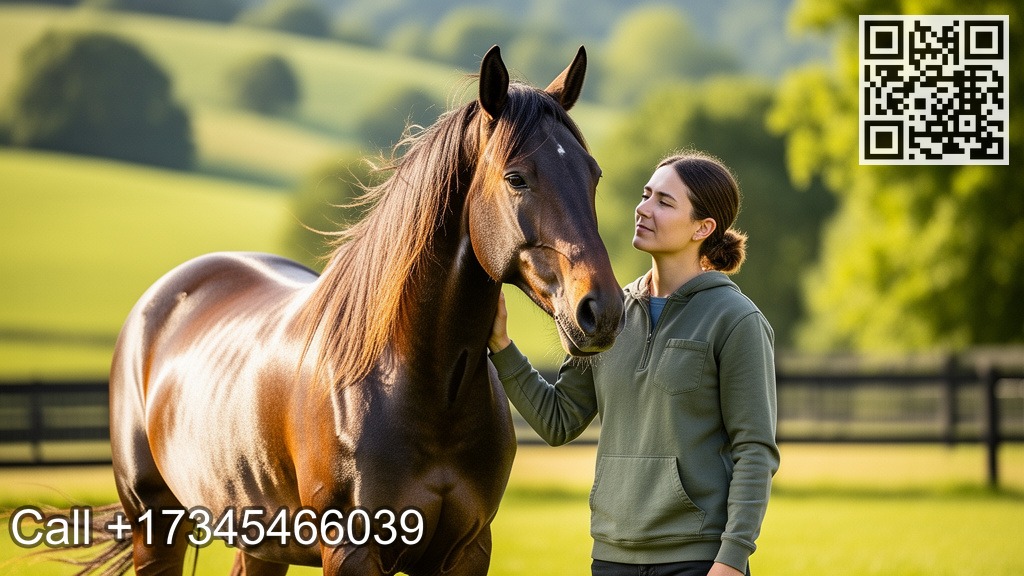
That is the heart of equine-assisted tasks and equine-facilitated training for neurodiverse people. It is not a remedy, it is a craft. With time, attunement, and a steed that maintains the conversation straightforward, students can build abilities that matter, self advocacy, policy, control, flexible reasoning. When families ask me why this works, I generally smile and say, we practice being a little a lot more ourselves, with a huge, really patient teacher.
Happy Hooves Wellness
9177 Gross Rd, Dexter, MI 48130
+17345466039
https://www.hhooves.com/