Lead Rein Management: Team Structure with Steeds for Count On and Clearness
On a foggy morning in late spring, a product group from a midsize tech company stepped into a sand arena, each person holding a lead rope clipped to a tranquil bay gelding called Boone. They were anticipating icebreakers, maybe a rope program in disguise. Instead, the facilitator asked a peaceful question: "Who is leading, and who is complying with?" Five minutes later, Boone addressed for them. He walked with the only individual whose hand stayed steady and whose breath did not hitch. When the others tried to guide with babble and obscure hints, Boone stopped, blinked, and stood like a granite statue. He was not being stubborn. He was being honest.
That is the heart of equine-assisted mentoring. Steeds review congruence. They listen to intent, stress, and clearness long before we hear our own words. When groups learn to supply a clear ask and launch pressure at the ideal minute, connections shift. Conferences shorten. Responsibility boosts. Count on, that usually abstract concept, transforms functional and visible.
Why equines educate leadership differently
Horses are prey pets with refined nervous systems. They have actually survived by tracking micro-signals in their herd and setting, then choosing a direction together with speed and cohesion. They can not be misleaded by a positive tone that covers up question, or by a smile that hides stress. A steed feels what holds true via breath rate, pose, and the solidity of an individual's facility. That makes them perfect mirrors for leadership, group building, and somatic learning.
In typical workshops, talk can carry the day. A solid speaker can score points without altering anything concerning exactly how they really connect under pressure. In collaborate with equines, intent and behavior either develop motion or they do not. The feedback lands without shaming anyone. If a staff member pulls, the steed supports. If the individual crowds room, the equine actions away. If the person uses a clear limit then softens, the horse complies with. This is why equine-assisted solutions are commonly described as rapid responses. The loop from action to action is prompt, typically within a breath or two.
Trust grows due to the fact that the steed has no stake in your org chart. Boone does not care if you are a VP or an intern. He reacts to sincerity, justness, and management provided with clearness. The very same dynamics that make healing horsemanship effective for individuals, make equine-assisted activities and training efficient for organizational knowing. The arena ends up being a clean lab for connection experiments where the results turn up in hooves, not glide decks.
What a session actually looks like
The ideal programs begin before anybody touches a horse. Security and approval established the tone. People find out how to stand, how to invite a steed to move, and exactly how to march if a job feels frustrating. Headgears are readily available. Closed-toe footwear are non-negotiable. Facilitators, usually paired with an equine expert, reviewed both the human team and the herd, after that form workouts to match.
A typical first exercise is straightforward: halter, lead, and quit with the horse in step next to you, not behind or in front. It sounds very easy on paper. In practice, it exposes whether your intention is clear and your timing is thoughtful. Ask the equine to stroll, then soften your hand so you are not dragging. Ask to stop, then unwind your body. If you hold tension after the quit, the steed will likely creep. If you https://www.hhooves.com/experientiallearning rush the walk, the horse might accelerate, then lean via your hand when it is time to reduce. Each minute is a micro-debrief on clarity.
Next, groups may navigate an obstacle, such as strolling over ground posts or via a marked corridor. Without any voice allowed, the group needs to coordinate via signals, eye get in touch with, and position. Someone requires to take factor. Somebody else requires to keep track of speed. Somebody needs to watch the steed's ears and breathing to understand when to pause. The most effective debriefs connect what took place in the sector to what occurs at the office. Who held the huge picture. Who tracked risk. That connected between vision and execution. Who picked up when the horse was overwhelmed and created a reset.
Sessions frequently run 2 to 3 hours for a half day, or 5 to 6 hours for a complete day with breaks. Optimal team size for learning with real-time equines has a tendency to vary from 6 to 12. Bigger teams can revolve, yet the magic lives in straight get in touch with and monitoring, not in spectating from a distance. Individuals that are not leading still learn by reviewing ears, eyes, and foot placement. The steed's body offers a running commentary.
The definition of the lead rein
In English riding, a lead rein is a basic strap and clip. In technique, it is a covenant. Stress asks. Release thanks. You apply a tiny feel toward the direction you desire, then you soften the immediate the steed returns. Way too much stress, the horse withstands. Too little, the horse has no concept what you want. The art remains in timing and quality, not force.
Good managers utilize the same concept. When you request a deliverable, specify done. Settle on checkpoints, after that ease off. If your team takes a step in the best direction, recognize it rapidly. If you maintain drawing long after they have actually conformed, they learn to brace or tune you out. If you never ever offer a clear ask, they wait or recompense. Work either obtains aggressive or obscure. Equines aid people feel that cycle physically, not simply intellectually.
During one workout, a sales director kept cueing Boone to progression while subconsciously tightening up the lead rope at the same time. Boone remained grown. The facilitator aimed this out gently. The director giggled, then attempted again, this time opening his hand as he asked. Boone walked off at the same time. Back at the office, that supervisor changed just how he ran pipe reviews. He kept the ask crisp, then offered room. His group reported fewer firefights within a month.
From task to coaching and wellness
It helps to comprehend the range of equine-assisted solutions. Equine-assisted tasks consist of structured, non-therapeutic learning experiences, such as group building with equines or management workshops. Therapeutic horsemanship includes skill structure on the ground or mounted for people with physical, cognitive, or psychological demands, and is commonly shown by instructors with details adaptive training. Equine-assisted mentoring, sometimes called equine-facilitated training, mixes coaching frameworks with horse-facilitated exercises to target professional growth, communication, and management. Equine-facilitated wellness leans right into the psychological health and somatic measurements, occasionally in collaboration with licensed therapists.
Ethics and quality around range matter. If you are seeking efficiency conversations for a management group, you desire knowledgeable coaches that recognize company characteristics and group procedure. If you are sustaining injury recuperation, you want certified clinicians that integrate steeds securely into therapy strategies. The lines can overlap, and numerous barns partner throughout self-controls, however the supports are authorization, safety and security, and professional competence.
Why experiential discovering with horses sticks
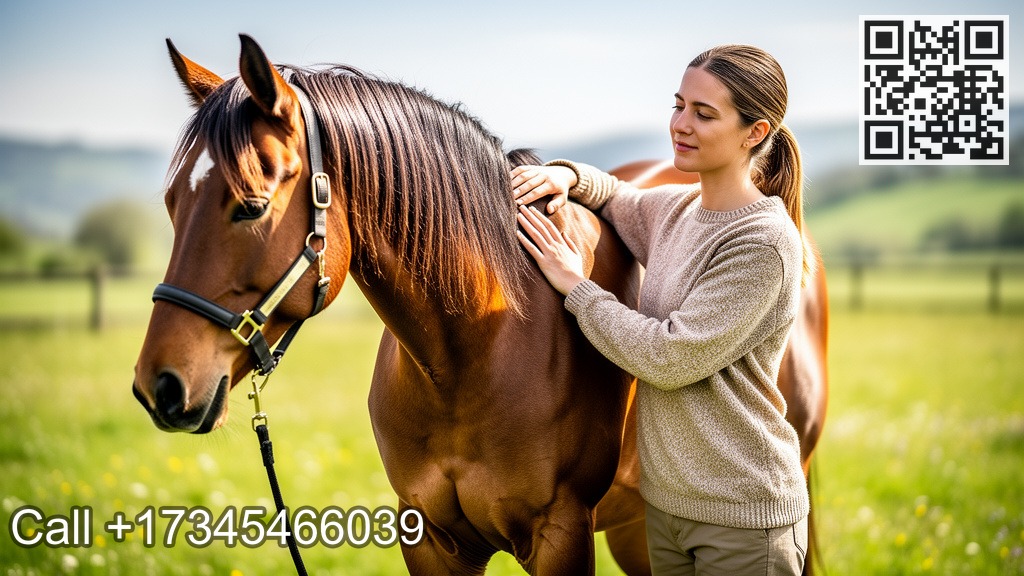
Rehearsing a tough conversation at a whiteboard engages just part of the mind. Doing similar job next to a thousand extra pound trip animal entails the entire body. Somatic understanding suggests your nerves updates its patterns with felt experience, not just through ideas. When you obtain coinciding in front of a steed, after that see the steed relax and respond, your body records that connect. Individuals leave the sector with new muscular tissue memory for how a clear ask really feels, exactly how a border feels, and how to stop when arousal rises.
I commonly train individuals to enjoy a steed's breath as a mirror for their own. When a person softens their jaw, the horse often breathes out. When the individual tenses, the steed's ribcage tightens up. That noticeable comments assists individuals control. In time, the exact same law shows up in team huddles before an item launch or in a conference room during a warmed budget plan argument. The lesson is not about steeds. It is about attunement and quality under stress.
Neurodiversity, anxiety, and sensory needs
Beyond corporate job, equine-assisted programs usually offer neurodivergent students. An ADHD equine discovering support session might concentrate on pacing, impulse control, and task sequencing in such a way that feels to life rather than vindictive. A pupil practices leading at a consistent rate, after that resetting with a breath before the following ask. The equine uses immediate feedback without judgment. Success becomes concrete: the equine remained with you via three cones at a steady walk.
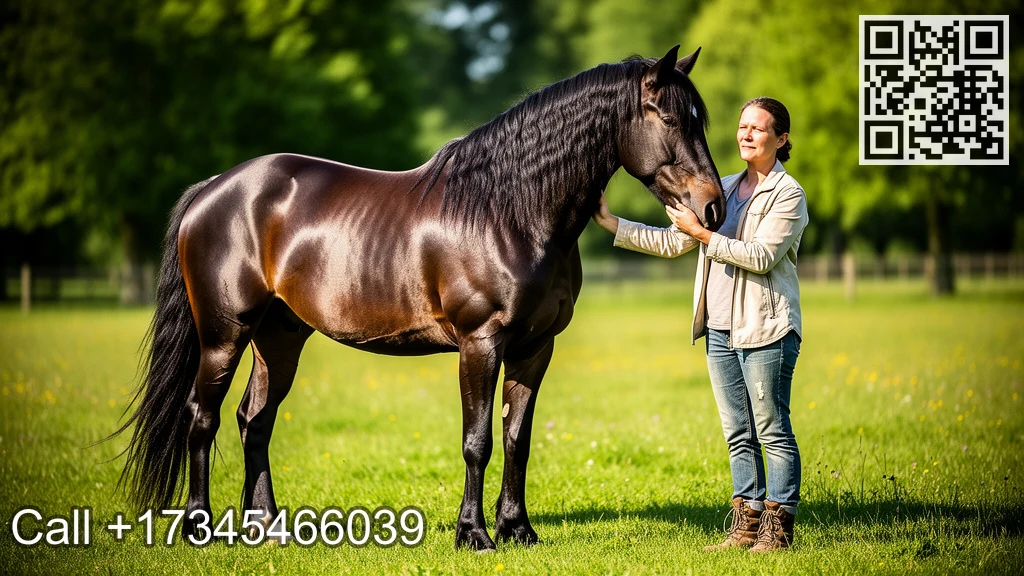
For individuals on the autism range, an autism equine learning program can emphasize foreseeable regimens, clear signals, and mild sensory input. Cleaning in long strokes, really feeling the resonance of a nicker through a cheek against a neck, tipping over posts one by one, all of this organizes sensory experience. Numerous families define their youngster leaving calmer, more collaborated, and much more positive in reading nonverbal cues. Communication builds in both instructions. The horse responds to the youngster's clearness. The kid finds out that fairness and uniformity develop safety.
People managing anxiety commonly discover relief through somatic recovery with equines. A victim pet obeys noticing, yet additionally by resetting swiftly to grazing once a threat passes. Exercising this reset with a tranquil herd member develops a design for the body. The message is: notification, act, restore. For some, time with equines becomes an alternative treatment for sensory challenges that formal talk therapy alone has not attended to. The movement, the smell of hay, the rhythm of hoofbeats, also the quiet task of loading a water container comes to be grounding.
Important note on scope: while equine-facilitated wellness can complement treatment, it is not a substitute for treatment or dilemma assistance. Great programs collaborate with healthcare providers when ideal, make use of notified permission, and keep limits around what the arena is and is not.
A field story regarding clearness and trust
A remote-first startup involved the cattle ranch after a rough quarter. Missed out on handoffs, shadow choices, and rising friction. Twelve people, 2 of whom had never ever met personally. We started with a basic tandem lead of a mare called Poppy with an S contour of posts. The first pair made it halfway, then Poppy raised her head and paused. She was not startled. She was puzzled. Their asks contradicted each various other by an inch.
The team chose to choose a single leader for each and every section, with explicit handoffs at the turns. They added one duty called the Display, whose only work was to say "Pause" when Poppy's ears pinned or her breathing altered. The whole team exhaled together when Poppy walked the complete program in a smooth line. That afternoon, the team rebuilt its item evaluation cadence utilizing the same duties. A month later on, the chief executive officer wrote that their once a week preparation went down from 90 minutes to 45, and they were shipping on forecast once more. No one mentioned Poppy in those meetings, however the handoffs and stops briefly lived on.
Designing the appropriate program for your team
Choices matter. The most effective design begins with a clear function, not simply a fun day out. Are you constructing trust after a reorg, onboarding a brand-new leader, fixing cross practical friction, or preventing exhaustion. Each goal recommends a various arc. A count on focused day may match gentle grooming with border job and common lead workouts. A quality focused day might lean into timed challenge training courses with strict no speaking guidelines to force crisp nonverbal leadership.
Consider logistics. Weather matters, but rainfall can include beneficial appearance if you have covered space. Sessions often run quarter day, half day, or full day. Group dimensions over a lots usually divided. One facilitator for every 4 to 6 participants maintains interest sharp and safety tight. Fees differ by area and group size. For preparation, lots of organizations budget plan in a similar way to offsite approach days or skill workshops in the exact same area, with a premium for location and equine staff. The variable to watch is ratio. If a program offers bargain rates by stacking 20 individuals per equine, top quality will certainly endure. Horses are not props. They are partners.
Here is a brief planning checklist several clients locate beneficial:
- Clarify purposes in one sentence you can check in the arena.
- Confirm facilitator qualifications, consisting of equine, coaching, and security credentials.
- Align group size with horse and staff schedule for a 1 to 4 or 1 to 6 ratio.
- Plan for debrief time equivalent to or longer than exercise time.
- Set article occasion techniques so lessons show up at the office within a week.
Measurement without overcomplication
Return on financial investment gets unsafe when you chase dollar figures as well hard. Still, you can track meaningful outcomes. Prior to the workshop, ask individuals to rate clarity of functions, rely on peers, and effectiveness of meetings on a straightforward 1 to 5 scale. Repeat the survey two to 4 weeks after. Try to find movement of a minimum of one factor in targeted areas. Set numbers with habits markers, such as time to decision on cross team concerns, regularity of rework, or the variety of disruptions in standups.
One manufacturing customer tracked safety and security near misses and team interaction cases for eight weeks pre and 8 weeks post a collection of equine-assisted training days. Near misses dipped decently, while occurrence records that consisted of positive peer training increased. The plant manager credited a brand-new practice of "ask, then launch" that managers practiced in the field. It additionally assisted that the sessions built connections throughout changes that hardly ever overlapped.
Qualitative stories issue. You will certainly listen to people state things like, "I realized I talk over individuals when I obtain worried," or "I need to make a tidy ask and quit including conditions." Record those representations. Utilize them in performance conversations later on, not as cudgels yet as anchors for change.
Safety, principles, and the steeds' well being
Responsible equine-assisted solutions put horse welfare at the facility. That starts with suitable work hours, remainder, and herd life. Steeds should have turnover, social get in touch with, and workout beyond sessions. During programs, they need water, color, and breaks. The herd's approval matters, also. An equine that selects to involve will instruct far better than a steed that is closed down.
Human safety lives in prep work. Clear briefings, correct footwear, helmets when required, and expert oversight are fundamental standards. Excellent facilitators review the early indicators of bewilder in both humans and horses and recognize when to streamline or quit. They also hold boundaries on what the arena is for. It is not the place to unearth unresolved injury without support. It is not the area to push somebody right into contact with an equine if fear is high. Consent is not an one time signature, it is a consistent conversation.
As you vet suppliers, ask about associations and training. Many experts hold accreditations or education and learning with well established organizations in healing horsemanship and equine-assisted coaching. While letters after a name do not guarantee fit, they do suggest a dedication to standards and continuing education and learning. Insurance ought to be existing and appropriate to the work.
Edge situations and thoughtful adaptations
Not every person wants to be near a horse. Allergic reactions, cultural views, past experiences, and basic preference deserve regard. Good programs develop sensible options, such as monitoring duties that lug real weight or parallel exercises with range. Fear that softens with time can be among one of the most useful learnings, but courage just counts when the person has selection and support.
Medical considerations deserve evaluation. Pregnant individuals, individuals with current surgical procedures, and those with equilibrium challenges may need changed tasks. Groups with members that use wheelchairs or mobility tools can still take part, with innovative arrangement. Brushing at a reduced connection, freedom work from a fencing line, and dual lead exercises can all adapt safely.
Weather can intensify danger and learning both. Heat requires extra breaks and water. Cold affects hold and focus. Wind can bring unforeseen movement that equines notice long prior to individuals do. Facilitators plan with those realities in mind, or they reschedule. There is no heroism in pressing via hazardous conditions.
Bringing lessons home
The success of equine-facilitated mentoring turns up back at the workplace where it matters. The trick is to transform really felt experience right into everyday practices. Several groups arrange a half an hour debrief within 48 hours to translate field understandings into specific actions. They also select an individual to watch for drift, the slow-moving go back to old patterns.
Here are 5 practices that transfer well from the lead rein to the office:
- Make a clear ask, after that quit speaking. Let people respond prior to you add more.
- Notice tension and reset. If the room tightens, call a brief time out to breathe.
- Name duties and handoffs out loud. Clarity minimizes friction greater than heroics.
- Use pressure like a dial, not a button. Enhance just sufficient to produce movement, after that release.
- End with release. Acknowledge progress rapidly so people do not brace for the following pull.
Keep it simple. You do not require equine metaphors in every meeting. You require the discipline to take a breath, to ask easily, to set borders with compassion, and to discover little success. People bear in mind exactly how it really felt when Boone or Poppy picked to adhere to a constant hand. That memory becomes a layout the following time stakes rise and time compresses.
Choosing a provider that fits your culture
Culture fit is not fluff. A scrappy start-up and a practice rich expert solutions firm will certainly reply to various styles. Visit the center or schedule a video clip tour. View how the group interacts with the equines in downtime, not simply in demonstrations. Ask how they customize sessions for remote teams, hybrid organizations, or teams that have actually never ever seen a steed up close. Inquire about debrief techniques. The very best facilitators develop area for representation, then connect understandings to concrete actions you care about, such as decision rights or customer action time.
Clarity on language helps also. If you desire equine-assisted tasks that focus on team structure with equines and clear communication abilities, state so. If you desire a deeper arc that touches behaviors under stress and anxiety and body based knowing, state passion in somatic recovery with steeds. If your objective leans toward spirits and wellness, check out equine-facilitated wellness days that include silent pet grooming, herd monitoring, and time in nature. All of these can be legit. The appropriate program will fulfill you where you are and extend you simply enough.
Final thoughts from the rail
I have watched experienced executives obtain humbled, not by embarrassment, however by the relief of locating a constant pace. I have actually seen teenagers on the autism range enter leadership with a softness that relocated grownups to splits. I have seen engineers, not normally anxious for group exercises, brighten as a mare mirrored their breath and afterwards strolled off at their side. None of this calls for magic. It requires presence, reasonable demands, and prompt releases.
A lead control a human hand is a promise. I will be clear. I will certainly be fair. I will notice when you try. Teams that maintain that pledge with each various other develop trust that can manage difficult quarters and untidy jobs. Horses help us practice until it comes to be acquired behavior. Then, when the fog lifts and deadlines loom, the team relocates together, light on the line, eyes up, headed in the very same direction.
Happy Hooves Wellness
9177 Gross Rd, Dexter, MI 48130
+17345466039
https://www.hhooves.com/